
Braiding is way more than just a hair styling technique; it is actually an art form that has been practiced for several years across cultures. From delicate cornrows to classic French braids, the versatility and charm of braided hairstyles have made them a staple and beauty routine globally. But hair braiding is not just about aesthetics; it also has plenty of benefits for your hair health maintenance and personal expression. In this guide, you can learn everything about the benefits of hair braiding.
The historical and cultural roots of hair braiding
Hair braiding has a rich history that dates back thousands of years. According to archaeological evidence, you need to know that hair braids were used in Africa as far back as 3500 BC. They were often a way to signify a person’s age, tribe, marital status, and wealth. In Africa, cornrows, box braids, and twists were deeply rooted in African traditions. Each style carried meaning and delicate designs often reflected tribal affiliation or societal roles. In Asia and Europe, styles like fishtail braids and French braids evolved over centuries, serving both functional and decorative purposes.
Benefits of Hair Braiding
- Braiding and protecting your hair from environmental damage and breakage. By tucking away the ends and keeping your hair in place, hair braids can help you minimize exposure to the sun, wind, and pollution. They can create a protective barrier that retains the natural oils, keeping your hair hydrated.
- Hair braiding can also reduce the need for heat styling and frequent manipulation, both of which can cause a lot of damage. Low manipulation hairstyles like braids can give the scalp a chance to rest, encouraging natural hair growth.
- Once braided, your hair requires minimal daily upkeep. This makes it a perfect choice for you if you have a busy schedule or if you want a fuss-free routine. You don’t need a daily comb or style. Hair braids can last you for several days to a few weeks, depending on the type of braid you go for.
- Braided hairstyles can range from casual and simple to elegant and elaborate so you can choose them for any and every occasion. Some of the most customizable styles include Dutch braids, fishtail braids, and Halo braids. You can also improve the look with ribbons or cuffs for Better flare.
- You must know that hair braiding can work like a powerful form of self-expression that reflects an individual’s personality or even cultural heritage in full terms.
- Braiding can help you eliminate the need for flat iron curling vans and other heat-styling tools to protect your hair from thermal damage.
- Hair braiding, when done correctly, promotes scalp health by reducing the need for excessive brushing or pulling. Gentle tension during braiding can increase the blood flow, nourishing your hair follicles. Hair braiding can keep the scalp exposed, making it very easy for you to cleanse and moisturize.
- Furthermore, you need to know that hair braiding is a versatile art form that allows you to experiment with endless styles and designs. It often reflects cultural heritage, offering you a way to honor your traditions. From colorful extensions to delicate patterns, hair braiding makes it very easy for you to customize your hairstyle to suit your personality. Hair braids can be adapted for any occasion, from casual outings to weddings and even formal events.
- Hair braiding is a universal styling method suitable for all hair textures and lengths. It can help you create volume and texture, making your hair appear fuller because you have fine hair. If you have thick hair, it can help you manage density and prevent tangling. Some of the most amazing styles that you can have with short hair include micro braids, as they work well for shorter lengths. For natural hair, you can go for protective hair braiding methods that help you preserve moisture and prevent damage.
- Reducing the need for frequent washing and styling hair braiding can help you cut down on your hair care expenses. The hairstyle requires less shampoo, conditioner, and styling products. Furthermore, long-lasting hair braids reduce the need for frequent salon visits. Several hair braiding styles can be done at home, so you don’t have to use a lot of tools or need a lot of expertise.
- A healthy scalp is actually the foundation of beautiful hair, and hair braiding can support this in several ways. Overwashing can strip your scalp of natural oils. Hair braiding can reduce the need for frequent shampooing. Furthermore, it also helps in distributing natural scalp evenly throughout the hair shaft, promoting hydration.
Different types of hair braiding styles
Here are some different types of hair braiding styles.
- Cornrows are tightly braided close to the scalp, and they are ideal for a long-lasting sleep look.
- Box braids include sectioning your hair into small, square-shaped parts. These are prominent for their durability and versatility.
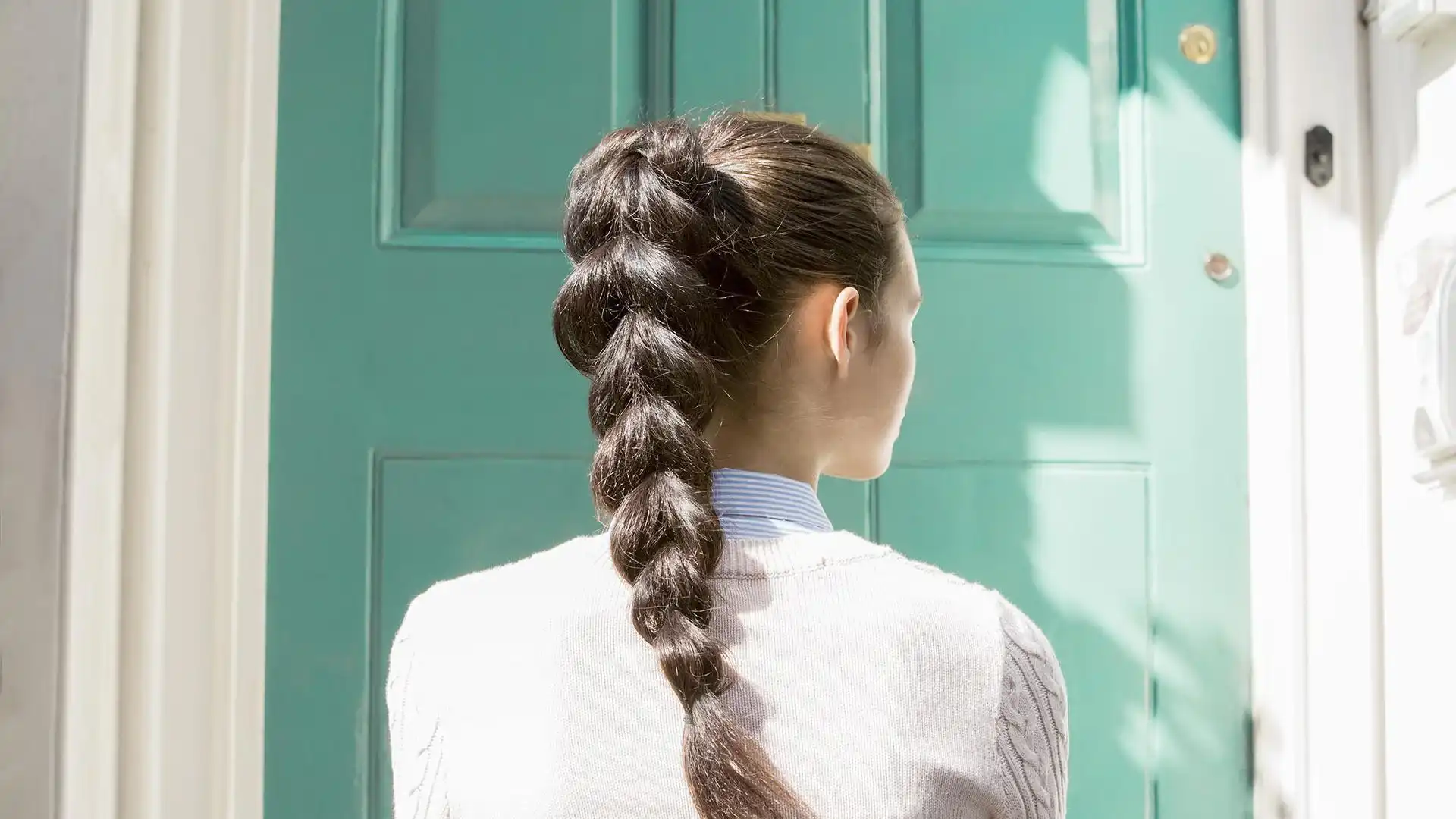
- French braids are actually classic hair braids that start at the crown and weaves go down the back. It is ideal for both your casual and formal settings.
- The delicate style makes the appearance of the fishtail and adds a bohemian flair to your look.
- Twists basically include wrapping 2 sections of your hair around each other. They are a low-tension alternative to traditional Hair braids.
Tips for maintaining your braided hair
- You must use diluted shampoo or cleansing spray to keep your scalp fresh and free of buildup.
- All you need to do is spread the hair braid with light waterways and leave it in a conditioner to prevent any dryness.
- Just wrap your braids in a silk or a satin scarf to reduce friction and also to maintain neatness.
- You must ensure that your hair braids are not too tight to prevent scalp discomfort and hair breakage.
- Do not keep your hair braids in for more than just six weeks to avoid breakage and matting.
So above all, you need to know that hair braiding is way more than just a styling choice; it’s actually a practical, versatile, and empowering practice with plenty of benefits. From protecting your hair to promoting hair growth and reducing damage, hair breeding is truly a game-changer for you if you want to simplify your beauty routine while maintaining healthy beautiful locks.
Frequently Asked Questions
1. What are the main benefits of hair braiding?
Hair braiding helps protect hair from daily damage, reduces breakage, lowers styling time, and supports length retention with proper care.
2. Does hair braiding help hair grow faster?
Braiding does not directly make hair grow faster, but it can reduce breakage and protect strands.
3. Is hair braiding good for natural hair?
Yes, hair braiding is often a great protective style for natural hair.
4. Can braids damage your hair?
Braids can cause damage if they are installed too tightly, worn too long, or not maintained properly.
5. How long should I keep braids in?
This depends on the braid style and hair type.
6. Are braids low maintenance?
Yes, braids are considered a low-maintenance hairstyle.
7. Do braids work for all hair types?
Many braid styles can be adapted for different hair types, textures, and lengths.
8. How do I take care of braided hair?
Keep your scalp clean, moisturize regularly, protect hair at night with a satin scarf or bonnet, and avoid excessive tension.
9. Can braids help reduce frizz?
Yes, braids can help control frizz by keeping hair secured.
10. What are the best braid styles for hair protection?
Popular protective braid styles include box braids, cornrows, twists, and knotless braids.